
How GLP-1 medications are restoring fertility
💬 In this note:
- 👶🏽 Ozempic Babies: GLP-1 Weight Loss Drugs Lead to Unexpected Pregnancies
- 📚 Extremely Loud & Incredibly Close
- ⚡️ WuTang Clan Video Game
👶🏽 Ozempic Babies: GLP-1 Weight Loss Drugs Lead to Unexpected Pregnancies
Here’s a plot twist no one saw coming…the same medications that help people lose dramatic amounts of weight are also helping women get pregnant.
Across the U.S., women who’ve struggled with fertility for years are sharing their “Ozempic baby” stories on social media.
These are pregnancies that happened after starting GLP-1 receptor agonists, better known by brand names like Ozempic, Wegovy, Mounjaro, and Zepbound.
What started as diabetes and weight loss medications has revealed an unexpected superpower: fertility restoration.
The Science Behind the Surprise
GLP-1 receptor agonists weren’t designed to improve fertility, they were created to manage blood sugar in people with diabetes.
These medications mimic a hormone that tells your pancreas to produce more insulin after eating, while also slowing stomach emptying and signaling your brain that you’re full. Read more about Ozempic in Nina’s Notes #54 and Ozempic for Brain Health in Nina’s Notes #129.
The weight loss results have been remarkable.
In clinical trials, people lose an average of 15-20% of their total body weight.
And that weight loss is very interesting for fertility.
For women with obesity, losing just 10% of body weight can trigger a cascade of hormonal changes:
- Restored ovulation after years of irregular cycles
- Rebalanced estrogen levels (obesity increases estrogen production to abnormal levels)
- Improved insulin sensitivity (crucial for women with PCOS)
- More regular periods and better reproductive health overall
The connection makes biological sense.
Obesity disrupts the delicate hormonal dance required for fertility.
When that weight comes off, the reproductive system can reset itself.
One landmark study found that 44% of patients using semaglutide (the active ingredient in Ozempic and Wegovy) lost more than 10% of their body weight within two years, more than enough to trigger fertility improvements.
The Men’s Side of the Story
It’s not just women experiencing fertility improvements.
Early research suggests GLP-1 medications may also boost male fertility by improving semen concentration, motility, and morphology, particularly in men with obesity.
This means couples where both partners are taking these medications might see their fertility chances improve from multiple angles.
A Possible Improvement For PCOS
This is particularly exciting news for women with polycystic ovary syndrome (PCOS), which affects 7-10% of women of reproductive age in the U.S.
PCOS is a hormonal imbalance characterized by infertility, insulin resistance, elevated testosterone, irregular ovulation, and often significant weight gain.
GLP-1 medications address multiple PCOS symptoms simultaneously.
As women lose weight, their insulin sensitivity improves, hormone levels rebalance, and ovulation often returns.
Are GLP-1’s Safe During Pregnancy?
Women who are overweight and who have irregular periods may not notice missed periods due to pregnancy.
Many women taking GLP-1 medications for weight loss aren’t necessarily trying to get pregnant, which means surprise pregnancies are happening.
Even women with regular cycles might not realize they’re pregnant until six weeks or beyond.
Therefore, it is possible for a developing embryo to be exposed to GLP-1 medications for weeks or months before a woman learns she is pregnant.
More research is needed to understand if GLP-1 drugs are safe during pregnancy, and also if they interfere with birth control.
A 2023 study involving 50,000 pregnant women with Type 2 diabetes found no statistically significant differences in major birth defects among the 900+ women who were taking GLP-1 medications when they discovered their pregnancies.
Both Novo Nordisk (maker of Ozempic/Wegovy) and Eli Lilly (maker of Mounjaro/Zepbound) are building registries to track health outcomes for women who took these medications during pregnancy.
Science has historically excluded pregnant women from clinical trials, therefore crowdsourcing platforms like the Novo Nordisk and Eli Lilly registries are incredibly valuable to understand how GLP-1 drugs affect women during pregnancy and the first year after delivery.
In the absence of good data on the effects of GLP-1s on pregnancy, the current FDA recommendation is to stop taking GLP-1 medications two months before trying to conceive, if possible.
What This Means for You
If you’re taking a GLP-1 medication, this fertility connection is practical family planning information you need to know.
A few topics to consider:
- Birth control reliability: More research is needed to understand whether these medications interact with contraception
- Pregnancy timing: If you’re planning to conceive, discuss timing with your healthcare provider
- Monitoring: Women with previously irregular periods should be extra aware of potential pregnancy signs
- Support team: Consider working with both an obesity specialist and an OB/GYN if you’re managing weight and reproductive health simultaneously
This boost in fertility illustrates the interconnectedness of our biological systems.
A medication designed for blood sugar management becomes a weight loss breakthrough that then restores fertility, it’s a perfect example of how addressing one health issue can create positive ripple effects throughout the body.
For women who’ve struggled with both obesity and infertility, GLP-1 medications represent something remarkable, a single intervention that addresses multiple health challenges simultaneously.
The research is still evolving, but one thing is clear, if you’re taking these medications, fertility should be part of your healthcare conversations, whether you’re planning for pregnancy or trying to prevent it.
📚 Book of the Week
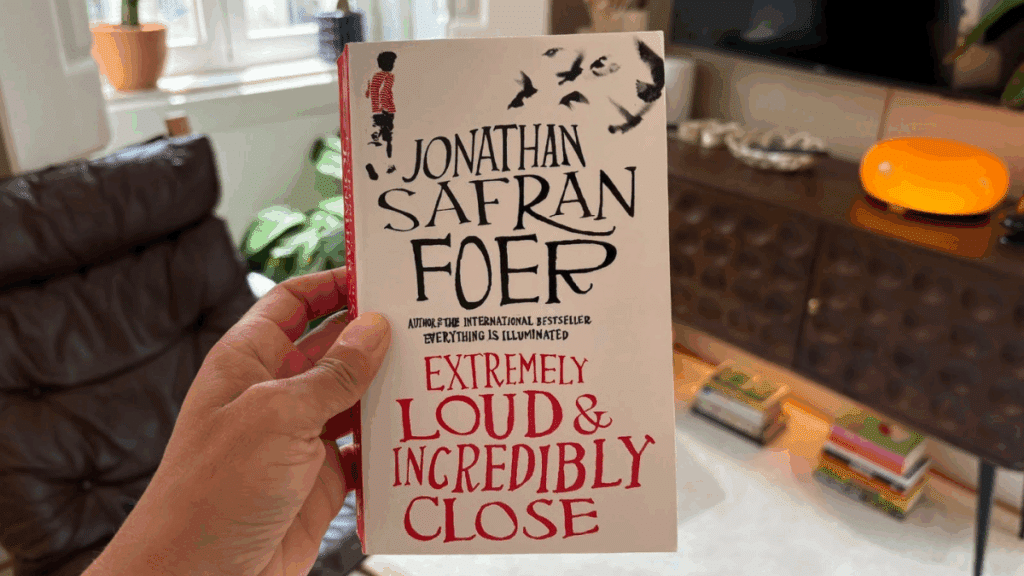
Extremely Loud and Incredibly Close by Jonathan Safran Foer
Rating: ★★★★☆
When my friend Abi picked this out for me at Minoa Bookshop in Berlin, I was hoping for something light and funny. What I got instead was a deeply moving story that took some patience to appreciate.
The novel follows nine-year-old Oskar Schell on his quest through New York’s five boroughs to find the lock that matches a mysterious key left behind by his father, who died in the World Trade Center on September 11th.
Written entirely from Oskar’s perspective in first person, a style I typically avoid, the book initially felt challenging to get into.
Oskar’s autism adds another layer of complexity to the narrative, sometimes making the read confusing as we experience the world through his unique lens.
But this is also where Foer’s skill shines. Once you settle into Oskar’s voice, his determination and vulnerability become incredibly compelling.
The real magic happens in the people Oskar encounters during his impossible mission. Each character he meets while searching for his lock reveals their own story of survival and healing, creating a beautiful tapestry of human resilience in the face of trauma.
The book tackles heavy themes, grief and loss, with surprising moments of humor and tenderness.
It’s ultimately a story about healing and connection, though it takes its time getting there.
I just found out that the book was made into a feature film released in 2011 starring Tom Hanks, Sandra Bullock.
While it wasn’t the light read I originally sought, “Extremely Loud and Incredibly Close” proved to be exactly the kind of profound, affecting story that stays with you long after the last page.
⚡️ Check This Out

Have you ever dreamed of teaming up with the Wu-Tang clan to battle back the forces of an invading, corrupting force?
Now you can!
In this summer’s release video game, Wu-Tang: Rise of the Deceiver,” you “fight alongside the Wu-Tang Clan, calling on their powerful skills and timeless wisdom.”
The game meshes Afro-surrealism and anime, and features a soundtrack filled with both classic Wu-Tang songs and new music from DJ Just Blaze.
New music!!! (Awesome)
Ghostface Killah invites fans to “step into the darkness and discover what lies beneath,” says Entertainment Weekly.
Ok…I’m in.
Want more?
Join 3,000+ readers of Nina’s Notes and get my free guidebook: The 11-Minute Longevity Protocol